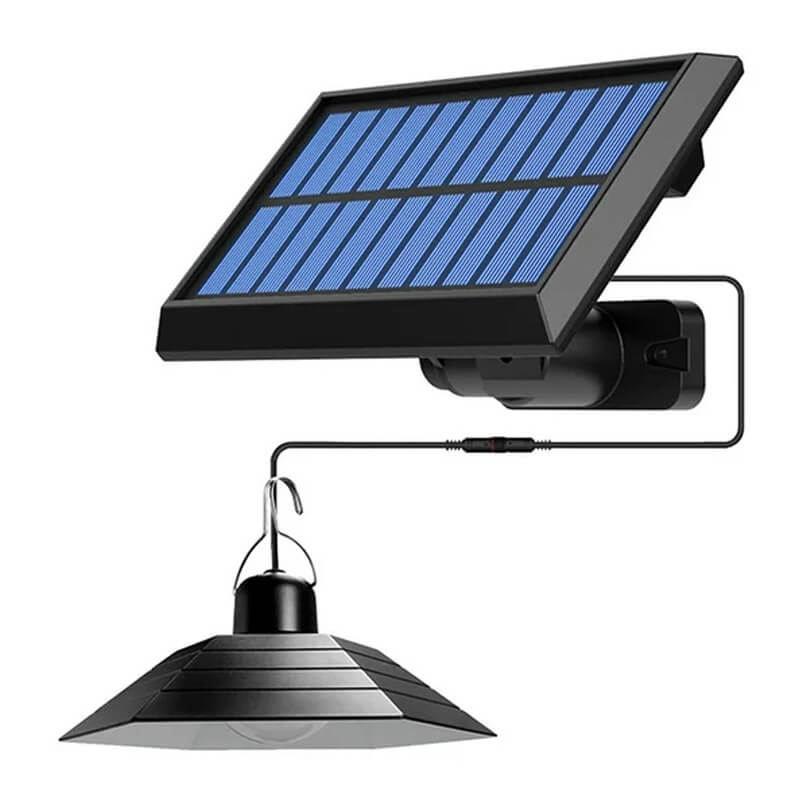
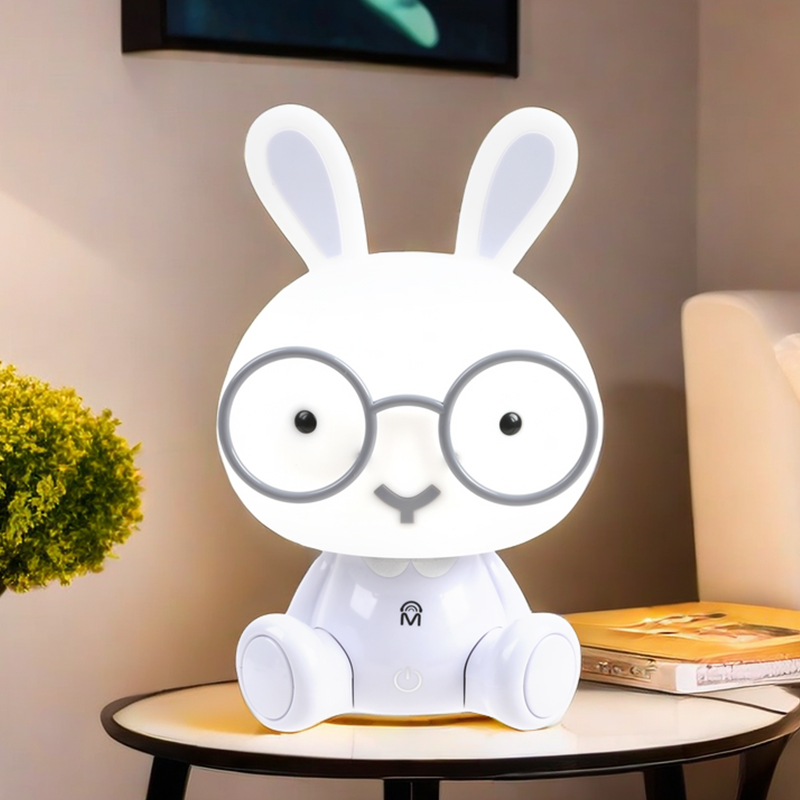
The rise of smart building ecosystems has revolutionized the way we interact with our living and working spaces. One of the less-discussed but highly impactful elements in these ecosystems is night lighting systems. These systems go beyond traditional lighting by combining aesthetics, safety, and technology to create a seamless experience for occupants. In this article, we will explore the benefits, challenges, and best practices for integrating night lights into smart buildings, ensuring both functionality and energy efficiency.
The Role of Night Lights in Smart Buildings
Night lights are not just for decoration or convenience. In a smart building ecosystem, they serve critical roles:
- Enhanced Safety: Illuminating pathways to prevent accidents during the night.
- Energy Efficiency: Using low-power LEDs and smart sensors to reduce electricity consumption.
- Aesthetic Appeal: Enhancing the ambiance of spaces with customizable lighting options.
- Integration with IoT Devices: Syncing with other smart devices for automation and improved functionality.
Key Benefits of Integrating Night Lights
1. Improved Safety and Security
Night lights provide essential visibility in areas like hallways, staircases, and entryways. Smart night lights equipped with motion sensors can detect movement and turn on automatically, reducing the risk of accidents and ensuring security during nighttime.
2. Energy Savings
Smart night lights use energy-efficient technologies like LEDs and adaptive brightness controls. By integrating with building management systems, these lights can adjust their brightness based on the time of day or occupancy, significantly reducing energy wastage.
3. Enhanced User Comfort
Customizable night lighting allows users to adjust color temperatures and intensities to suit their preferences. For instance, warm hues can create a relaxing environment in bedrooms, while cooler tones may be more suitable for workspaces.
4. Aesthetic Enhancements
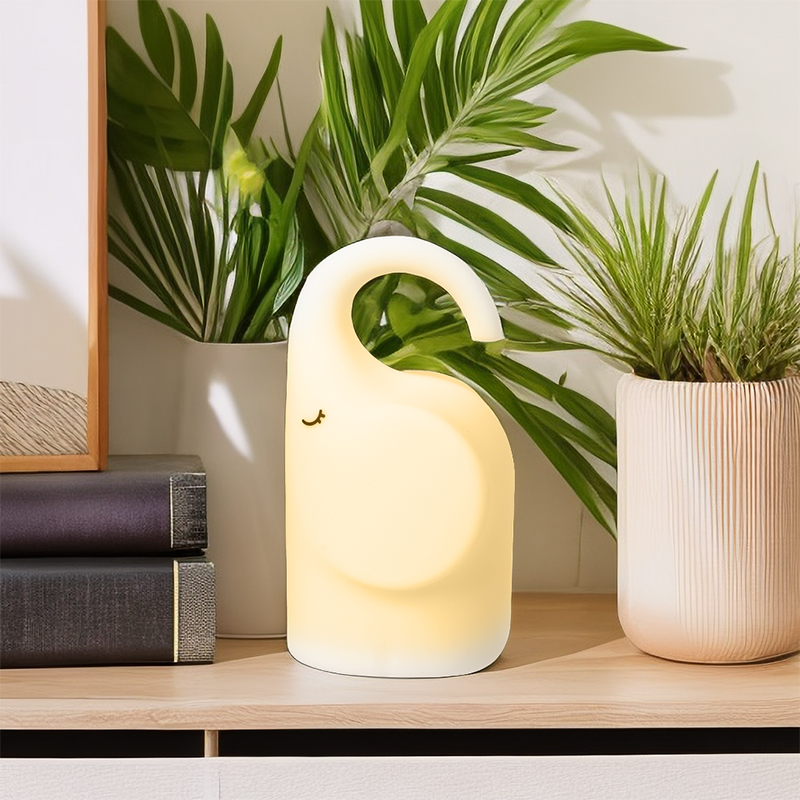
Modern night lights come in various designs and styles that can complement a building’s interior design. With smart controls, they can also create dynamic lighting effects to match different moods or events.
5. Seamless Integration with Smart Ecosystems
Smart night lights can integrate with systems like Amazon Alexa, Google Home, or Apple HomeKit. This allows for voice control, scheduling, and automation, providing a truly connected experience.
Challenges in Integrating Night Lights
While the benefits are numerous, integrating night lights into smart buildings comes with its own set of challenges:
1. Compatibility Issues
Not all night lights are compatible with existing smart ecosystems. Ensuring seamless communication between devices often requires careful selection of hardware and software.
2. Initial Costs
The upfront investment for smart night lighting systems can be higher compared to traditional lighting solutions. However, the long-term energy savings and enhanced functionality often justify the expense.
3. Network Security Concerns
Smart night lights, like any IoT device, can be vulnerable to cyberattacks. Ensuring robust security protocols is essential to protect user data and maintain system integrity.
4. Maintenance and Upgrades
Keeping the system updated with the latest firmware and ensuring that all components function properly can be a challenge, especially in large buildings.
Best Practices for Integrating Night Lights
1. Choose Energy-Efficient Solutions
Opt for LED-based night lights that consume minimal power and have a long lifespan. Look for devices with certifications like Energy Star to ensure efficiency.
2. Prioritize Compatibility
Select night lights that are compatible with the building’s existing smart ecosystem. Check for support with major platforms like Zigbee, Z-Wave, or Wi-Fi.
3. Implement Adaptive Lighting
Use night lights with adaptive brightness and color temperature settings. These features allow the lights to adjust automatically based on the time of day or ambient light levels.
4. Ensure Robust Security Measures
Protect your smart lighting system with strong passwords, regular firmware updates, and secure network protocols. Consider using a dedicated network for IoT devices to minimize vulnerabilities.
5. Plan for Scalability
Design the lighting system with future upgrades in mind. This includes choosing modular systems that can accommodate new technologies as they emerge.
6. Focus on User Experience
Involve end-users in the design process to understand their preferences and requirements. Provide intuitive controls and customization options to enhance user satisfaction.

Innovative Applications of Smart Night Lights
1. Health Monitoring
Some advanced night lights come with sensors that can monitor health parameters like heart rate and sleep patterns. These features are particularly beneficial in healthcare facilities and senior living communities.
2. Emergency Lighting
Smart night lights can double as emergency lighting systems, automatically switching to battery power during outages and guiding occupants to safety.
3. Personalized Lighting Scenes
With app-based controls, users can create personalized lighting scenes for different activities, such as reading, relaxing, or hosting a dinner party.
4. Integration with HVAC Systems
Night lights can sync with smart thermostats and HVAC systems to create an optimal environment by adjusting lighting and temperature simultaneously.
Future Trends in Smart Night Lighting
The future of smart night lighting looks promising with advancements in AI, machine learning, and IoT technologies. Here are some trends to watch:
- AI-Powered Automation: Night lights that learn user behavior and preferences to provide predictive lighting solutions.
- Energy Harvesting Technologies: Lights that generate power from ambient sources like solar energy or kinetic energy.
- Enhanced Connectivity: Integration with 5G networks for faster and more reliable communication.
- Biophilic Lighting Designs: Lights that mimic natural patterns to promote well-being and align with circadian rhythms.
Final Thoughts
Integrating night lights into smart building ecosystems is a game-changer for enhancing safety, comfort, and energy efficiency. While challenges like compatibility and security must be addressed, the benefits far outweigh the drawbacks. By adopting best practices and staying ahead of emerging trends, developers and building managers can create spaces that are not only functional but also enjoyable to live and work in. As technology continues to evolve, the possibilities for smart night lighting will only expand, making it an indispensable component of modern smart buildings.
FAQs of Night Lights
What is a night light used for?
A night light is used to provide soft illumination in dark spaces, making it easier to navigate at night, especially in bedrooms, hallways, or bathrooms. It can also help reduce fear of the dark for children or create a calming ambiance for better sleep.
What is the meaning of night lighting?
Night lighting refers to the use of small, low-intensity lights designed to provide illumination during nighttime. These lights are typically used to ensure safety, enhance visibility, or create a soothing environment in dark spaces.
What are night lights called?
Night lights are often referred to as “ambient lights,” “bedside lights,” or “LED night lamps,” depending on their design and functionality.
Are night lights energy-efficient?
Yes, most modern night lights are energy-efficient, especially LED-based ones. They consume very little electricity and can often stay on throughout the night without significantly increasing energy costs.
Are night lights safe to use for children?
Yes, night lights are generally safe for children. Many are designed with safety features like cool-to-touch surfaces, durable materials, and low-voltage operation to ensure they can be used in children’s bedrooms without any risk.
Can night lights help improve sleep?
Night lights with warm or dim lighting can create a relaxing atmosphere that promotes sleep by reducing stress and anxiety. However, it’s important to choose a light with minimal blue light emissions to avoid disrupting natural sleep patterns.