In times of crisis, emergency preparedness can make the difference between chaos and safety. Whether it’s a natural disaster, power outage, or unforeseen emergency, having the right tools in an emergency preparedness kit is essential. Among these tools, camping lights play a crucial role. Portable, versatile, and reliable, camping lights provide much-needed illumination in challenging situations. This article explores the significance of camping lights in emergency preparedness kits, their features, and how to choose the best options for your needs.
Why Camping Lights Are Essential for Emergency Kits
1. Reliable Source of Light
In emergencies, access to electricity may be limited or nonexistent. Camping lights, especially those powered by batteries or solar energy, offer a dependable source of light, ensuring visibility and safety during blackouts or outdoor emergencies.
2. Portability and Versatility
Camping lights are designed to be lightweight and portable, making them easy to include in emergency kits. Their versatility allows them to serve multiple purposes, such as lighting up a room, guiding you in the dark, or signaling for help.
3. Energy Efficiency
Modern camping lights, particularly LED models, are highly energy-efficient. They provide bright illumination while conserving power, making them ideal for extended use during emergencies.
4. Enhanced Safety
Unlike candles or kerosene lamps, camping lights pose no risk of fire or harmful emissions. This makes them a safer choice, especially in enclosed spaces or around children and pets.
5. Multi-Functionality
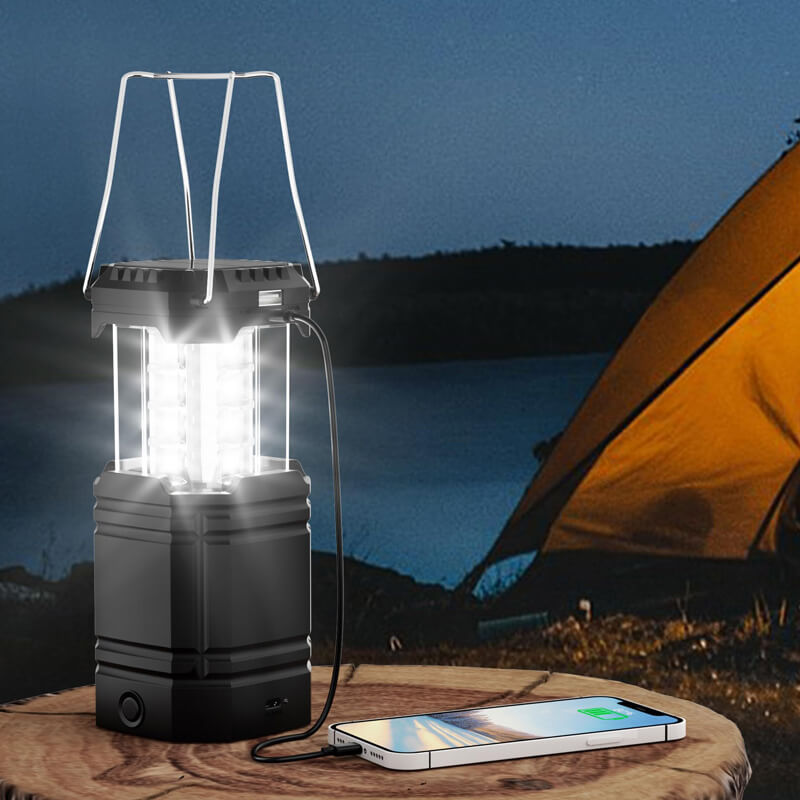
Many camping lights come with additional features such as USB ports for charging devices, emergency sirens, or strobe light modes for signaling. These functionalities make them invaluable during crises.
Types of Camping Lights for Emergency Kits
1. LED Lanterns
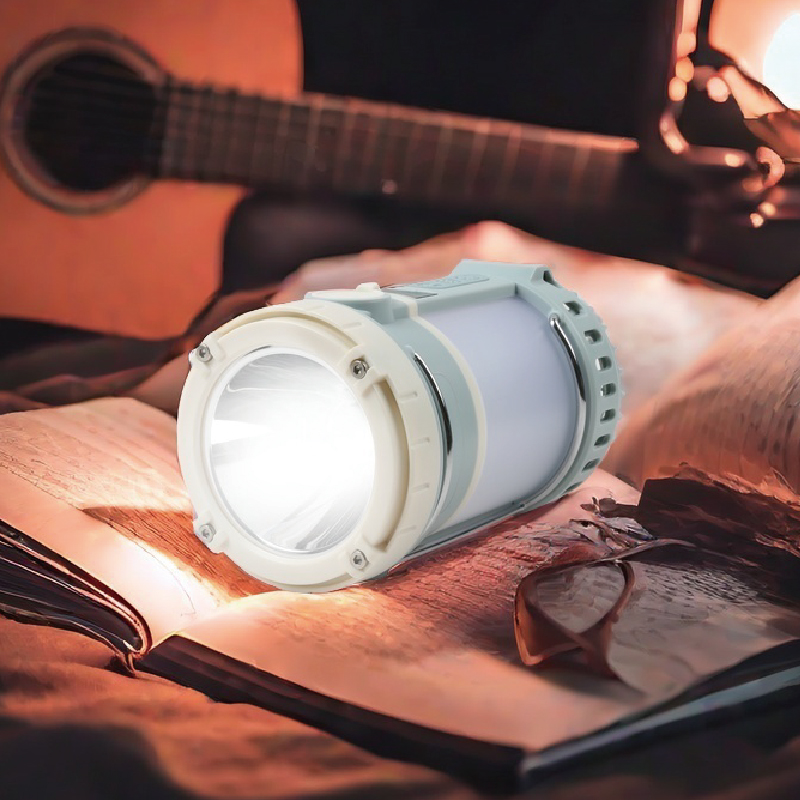
LED lanterns provide 360-degree illumination, making them perfect for lighting up entire rooms or campsites. They are energy-efficient and often come with adjustable brightness settings.
2. Flashlights
Compact and easy to use, flashlights are essential for focused lighting. They are ideal for navigating in the dark or inspecting specific areas during emergencies.
3. Headlamps
Headlamps offer hands-free lighting, allowing you to carry out tasks such as cooking, repairing, or searching without holding a light source. They are especially useful in outdoor or survival scenarios.
4. Solar-Powered Lights
Solar-powered camping lights charge during the day and provide illumination at night. They are an eco-friendly and cost-effective option for long-term emergencies.
5. Rechargeable Lights
Rechargeable camping lights eliminate the need for disposable batteries, reducing waste and ensuring consistent power availability. Many models also include USB charging capabilities.
Features to Look for in Camping Lights for Emergency Kits
1. Durability
Emergency situations can be unpredictable, so it’s essential to choose camping lights that are built to withstand harsh conditions. Look for models made from impact-resistant and waterproof materials.
2. Battery Life
Long-lasting battery life is crucial for camping lights in emergencies. Opt for lights that offer extended runtime or have the ability to switch to energy-saving modes.
3. Brightness and Adjustable Settings
Choose camping lights with adjustable brightness levels to suit different needs. High lumens are ideal for illuminating large areas, while dimmer settings conserve energy.
4. Portability
Compact and lightweight designs make camping lights easier to carry and store in emergency kits. Foldable or collapsible models are especially convenient.
5. Additional Features
Consider camping lights with extra functionalities, such as USB ports for device charging, SOS modes, or built-in radios. These features add value and versatility to your emergency kit.
How to Incorporate Camping Lights into Emergency Preparedness
1. Include Multiple Light Sources
Diversify your emergency kit by including different types of camping lights, such as lanterns, flashlights, and headlamps. This ensures you have the right light source for various situations.
2. Keep Spare Batteries or Chargers
Always have spare batteries or portable chargers for your camping lights. For solar-powered models, ensure they are fully charged and stored in a way that allows sunlight exposure.
3. Conduct Regular Checks
Periodically test your camping lights to ensure they are functioning correctly. Replace batteries or repair damaged parts as needed.
4. Educate Your Household
Train family members or coworkers on how to use the camping lights effectively. Familiarity with the equipment can save valuable time during an emergency.
Scenarios Where Camping Lights Prove Vital
1. Power Outages
During prolonged power outages, camping lights provide a safe and reliable source of illumination. They can light up rooms, hallways, and outdoor spaces, ensuring comfort and safety.
2. Natural Disasters
In the aftermath of natural disasters like hurricanes, earthquakes, or floods, camping lights help navigate debris, signal for help, and create a sense of normalcy in chaotic environments.
3. Outdoor Emergencies
For those stranded outdoors due to vehicle breakdowns, lost trails, or camping mishaps, portable camping lights are indispensable for survival and signaling rescuers.
4. Medical Emergencies
Camping lights can assist in medical emergencies by providing adequate lighting for first aid, wound care, or administering medication in low-light conditions.
Best Practices for Maintaining Camping Lights
1. Store Properly
Keep camping lights in a cool, dry place to prevent damage. Use protective cases or bags to avoid scratches or breakage.
2. Charge Regularly
For rechargeable or solar-powered lights, ensure they are fully charged before storing them in your emergency kit.
3. Replace Old Batteries
Avoid using expired or low-quality batteries, as they can leak and damage the lights. Replace them with fresh ones periodically.
4. Clean Components
Wipe down the lenses and body of the camping lights to maintain optimal performance. Remove any dirt or debris that could obstruct the light.
Final Thoughts
Camping lights are an indispensable component of any well-prepared emergency kit. Their portability, versatility, and reliability make them invaluable during power outages, natural disasters, and other crises. By choosing the right types of camping lights and maintaining them properly, you can ensure your preparedness for any emergency. Whether it’s illuminating a dark room, guiding you through unfamiliar terrain, or signaling for help, camping lights provide the safety and confidence needed to navigate challenging situations effectively.
FAQs of Camping Lights
What is the best lighting for camping?
The best lighting for camping depends on your needs. LED lanterns, headlamps, and solar-powered lights are popular choices. LED lights are durable, energy-efficient, and provide bright illumination, making them ideal for outdoor use.
How do you light camping?
To light your campsite, use a combination of lanterns for general area lighting, headlamps for hands-free activities, and portable flashlights for focused tasks. Solar-powered or battery-operated lights are convenient and reliable options for outdoor use.
How long does a camping light last?
The duration of a camping light depends on its power source and usage. Battery-operated lights typically last between 8 to 50 hours, while solar-powered lights can provide illumination for several hours after a full day of charging. Rechargeable camping lights can last multiple nights depending on their battery capacity.
Are camping lights waterproof?
Many camping lights are designed to be waterproof or water-resistant, making them suitable for use in wet or rainy conditions. Check the product specifications for an IP rating to ensure it meets your needs.
What is the best color for camping lights?
Warm white or neutral white light is generally best for camping as it creates a comfortable and natural atmosphere. Red light is also useful for preserving night vision and reducing eye strain in the dark.
Can camping lights be used indoors?
Yes, camping lights can be used indoors. Their portability, brightness, and energy efficiency make them a great backup option during power outages or for use in poorly lit areas of your home.