Outdoor events require meticulous planning, especially when it comes to lighting. Whether you’re organizing a wedding under the stars, a music festival, or a corporate retreat, portable camping lights are essential for ensuring visibility, safety, and ambiance. These lights are versatile, energy-efficient, and easy to set up, making them a favorite among outdoor event planners. In this article, we’ll delve into the benefits, types, and best practices for using portable camping lights to elevate any outdoor event.
Why Lighting Matters for Outdoor Events
Lighting plays a pivotal role in creating a successful outdoor event. Here’s why:
- Safety: Adequate lighting reduces the risk of accidents by illuminating pathways, stages, and gathering areas.
- Atmosphere: The right lighting enhances the ambiance, setting the mood for guests.
- Functionality: Proper lighting ensures that activities can continue seamlessly after sunset.
- Navigation: Well-lit areas help attendees find their way around the venue.
Key Benefits of Portable Camping Lights
1. Versatility
Portable camping lights are highly adaptable. They can be used to illuminate tents, pathways, seating areas, and stages. With various designs and mounting options, they cater to diverse event needs.
2. Energy Efficiency
Most portable lights are equipped with LED technology, which consumes significantly less energy compared to traditional bulbs. This makes them eco-friendly and cost-effective.
3. Easy Setup and Mobility
Designed for portability, these lights are lightweight and easy to install. Many come with rechargeable batteries, eliminating the need for complex wiring.
4. Durability
Outdoor events demand rugged equipment. Portable camping lights are built to withstand harsh weather conditions, ensuring reliable performance throughout the event.
5. Customizable Lighting Options
From warm white lights for cozy gatherings to vibrant colors for lively parties, portable camping lights offer a range of customization options to suit different themes.
Types of Portable Camping Lights
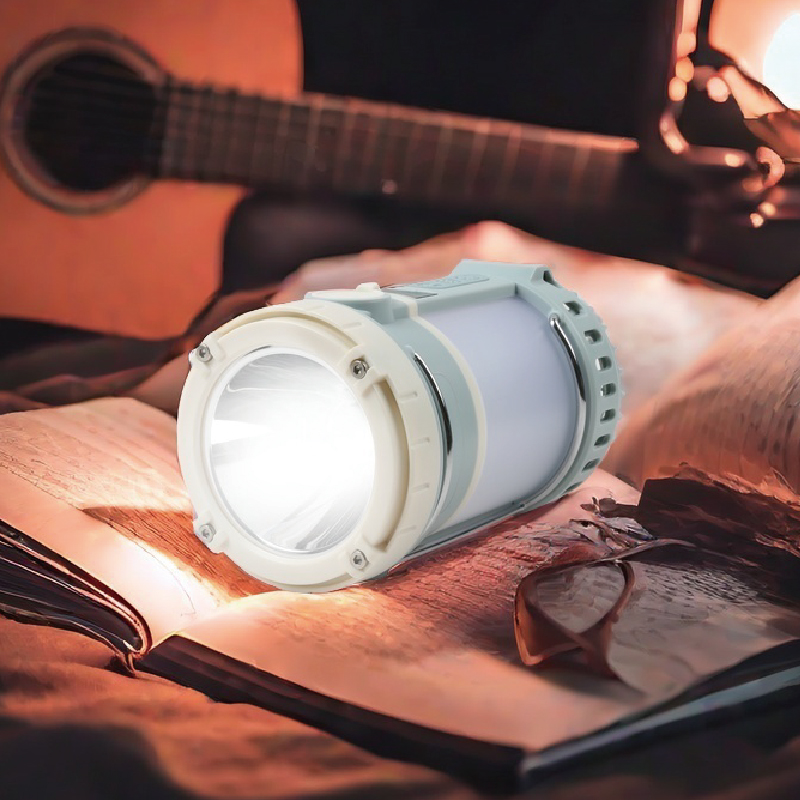
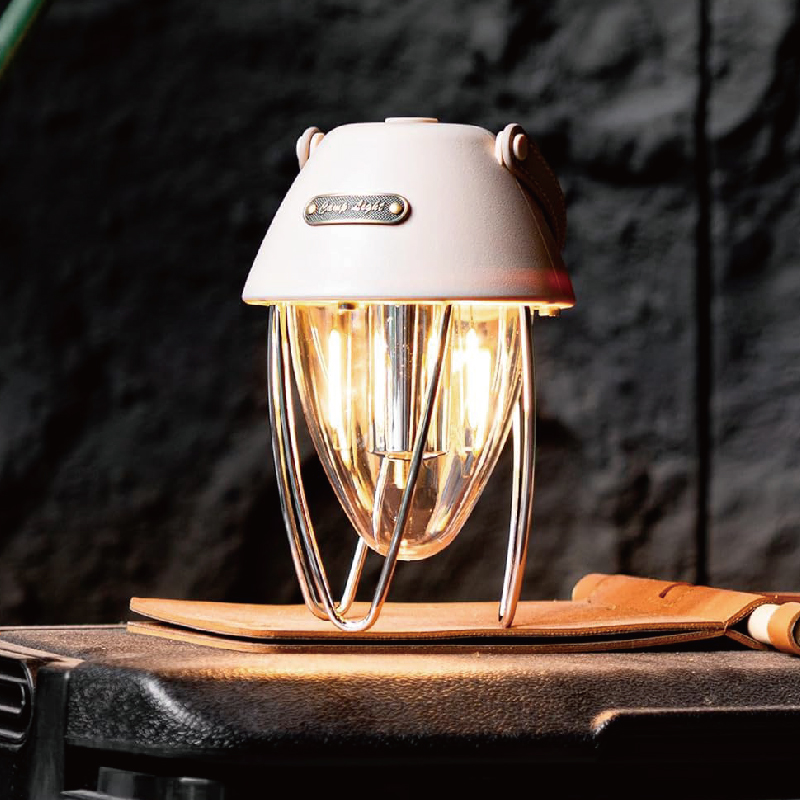
1. Lanterns
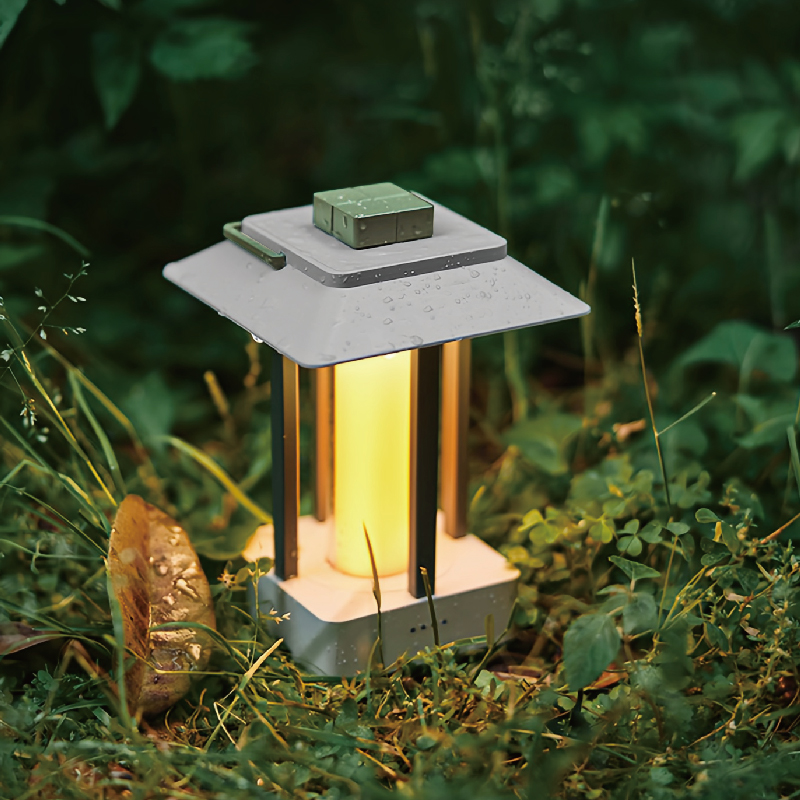
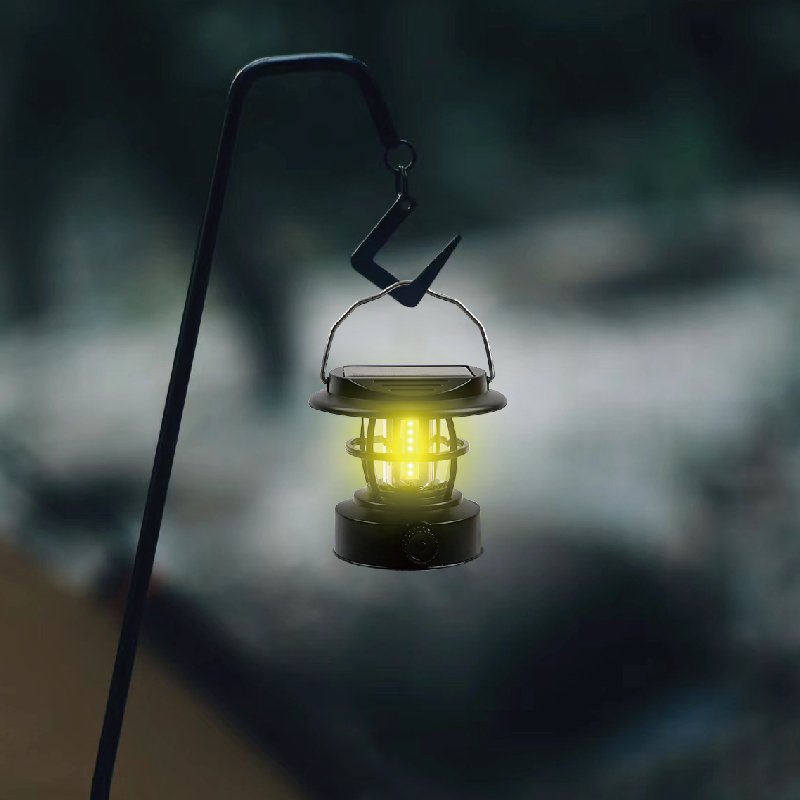
Lantern-style lights are perfect for creating a warm, inviting atmosphere. They are often used to light up dining areas or pathways.
2. String Lights
String lights add a magical touch to any event. They are ideal for decorating trees, tents, and pavilions, creating a festive vibe.
3. Floodlights
For larger areas like stages or parking lots, portable floodlights provide powerful illumination. Many models come with adjustable brightness and angles.
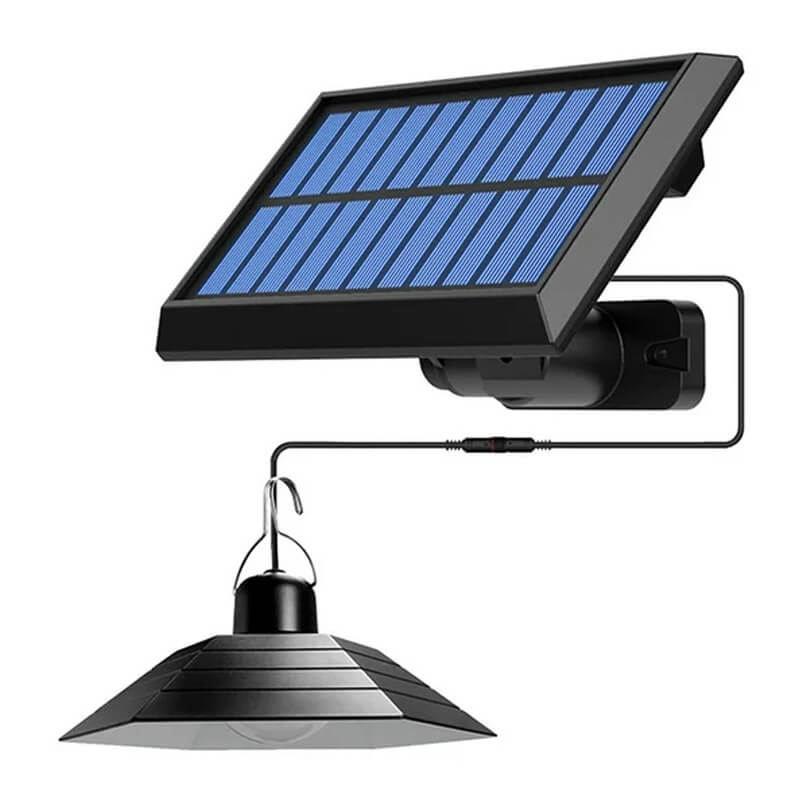
4. Solar-Powered Lights
Eco-conscious event planners often opt for solar-powered lights. These lights harness energy from the sun, making them both sustainable and cost-effective.
5. Clip-On Lights
Clip-on lights are compact and versatile, easily attaching to tents, poles, or other surfaces. They’re great for small, focused lighting needs.
6. Headlamps and Wearable Lights
For staff or attendees navigating the venue, headlamps and wearable lights offer hands-free convenience and safety.
Best Practices for Using Portable Camping Lights
1. Conduct a Lighting Assessment
Before the event, evaluate the venue to identify areas that require lighting. Consider pathways, entrances, exits, and high-traffic zones.
2. Mix and Match Lighting Types
Combine different types of lights to achieve optimal coverage and aesthetics. For example, use string lights for ambiance and floodlights for functional lighting.
3. Plan for Power Sources
Ensure you have sufficient power options, such as rechargeable batteries, solar panels, or portable generators. Keep backup batteries on hand to avoid disruptions.
4. Use Weather-Resistant Lights
Outdoor events are subject to unpredictable weather. Invest in waterproof and durable lights to ensure uninterrupted illumination.
5. Focus on Safety
Place lights strategically to prevent tripping hazards and ensure visibility. Avoid overly bright lights that may cause glare.
6. Test the Setup
Set up and test the lighting system a day before the event to address any issues. This also allows you to make adjustments for optimal effect.
Creative Lighting Ideas for Outdoor Events
1. Pathway Illumination
Guide attendees with well-lit pathways using lanterns or solar stake lights. This adds both functionality and charm to the event.
2. Accent Lighting
Highlight key areas like the stage, dining spaces, or decor elements with accent lighting. Use warm tones to create a cozy atmosphere.
3. Dynamic Lighting Effects
For lively events, incorporate color-changing LED lights or moving light projections to energize the crowd.
4. Tent and Canopy Lighting
Drape string lights or hang lanterns inside tents to create an inviting space. Dimmer options allow for mood adjustments.
5. Firelight Alternatives
For venues where open flames are restricted, use LED lights that mimic the flicker of real flames. These are safe and equally enchanting.
6. Themed Lighting
Align your lighting with the event’s theme. For example, use fairy lights for a whimsical wedding or bold colors for a corporate party.
Challenges and Solutions
1. Battery Life
Challenge: Portable lights may run out of power during extended events.
Solution: Use lights with long-lasting batteries or have portable chargers on hand.
2. Uneven Terrain
Challenge: Setting up lights on uneven ground can be tricky.
Solution: Opt for lights with stable bases or adjustable mounting options.
3. Light Pollution
Challenge: Overlighting can disturb the natural surroundings and detract from the event’s ambiance.
Solution: Use dimmable lights and focus on targeted areas rather than blanket lighting.
Future Trends in Portable Camping Lights
The world of portable lighting is evolving rapidly, with new innovations enhancing functionality and sustainability. Here are some trends to watch:
- Smart Lighting: Lights with app-based controls for brightness, color, and scheduling.
- Energy Harvesting: Lights that charge through motion or kinetic energy.
- Biodegradable Materials: Eco-friendly lights made from sustainable materials.
- Enhanced Durability: Lights designed to withstand extreme weather and rugged use.
Final Thoughts
For outdoor event planners, portable camping lights are indispensable tools that ensure safety, functionality, and ambiance. By understanding the types of lights available and implementing best practices, you can create unforgettable experiences for attendees. As technology continues to advance, the possibilities for innovative and sustainable lighting solutions will only grow, making it easier than ever to illuminate outdoor events in style.
FAQs of Camping Lights
What is the best lighting for camping?
The best lighting for camping depends on your needs. LED lanterns, headlamps, and solar-powered lights are popular choices. LED lights are durable, energy-efficient, and provide bright illumination, making them ideal for outdoor use.
How do you light camping?
To light your campsite, use a combination of lanterns for general area lighting, headlamps for hands-free activities, and portable flashlights for focused tasks. Solar-powered or battery-operated lights are convenient and reliable options for outdoor use.
How long does a camping light last?
The duration of a camping light depends on its power source and usage. Battery-operated lights typically last between 8 to 50 hours, while solar-powered lights can provide illumination for several hours after a full day of charging. Rechargeable camping lights can last multiple nights depending on their battery capacity.
Are camping lights waterproof?
Many camping lights are designed to be waterproof or water-resistant, making them suitable for use in wet or rainy conditions. Check the product specifications for an IP rating to ensure it meets your needs.
What is the best color for camping lights?
Warm white or neutral white light is generally best for camping as it creates a comfortable and natural atmosphere. Red light is also useful for preserving night vision and reducing eye strain in the dark.
Can camping lights be used indoors?
Yes, camping lights can be used indoors. Their portability, brightness, and energy efficiency make them a great backup option during power outages or for use in poorly lit areas of your home.